


June 24-26, 2026
Shenzhen Convention and Exhibition Center (Futian)


Consumer electronics sensors are accelerating the breakthrough of the functional boundaries of traditional single data collection. Driven by both technological innovation and scenario demands, they are advancing in depth toward integration, intelligence and low power consumption, with the core technological paradigm undergoing a fundamental shift from "passive collection" to "active perception-intelligent computing". Today's sensors are no longer simple signal capture components; instead, through hardware integration, algorithm embedding and cross-modal collaboration, they are gradually equipped with capabilities of data processing, scenario recognition and adaptive adjustment. This not only breaks the limitations of the separated architecture of "sensing-computing-storage", but also meets the core demands of consumer electronic devices for portability, long battery life and high intelligence, making them a key underlying support for the explosive growth of emerging fields such as wearable devices, AR/VR and intelligent cockpits.
01
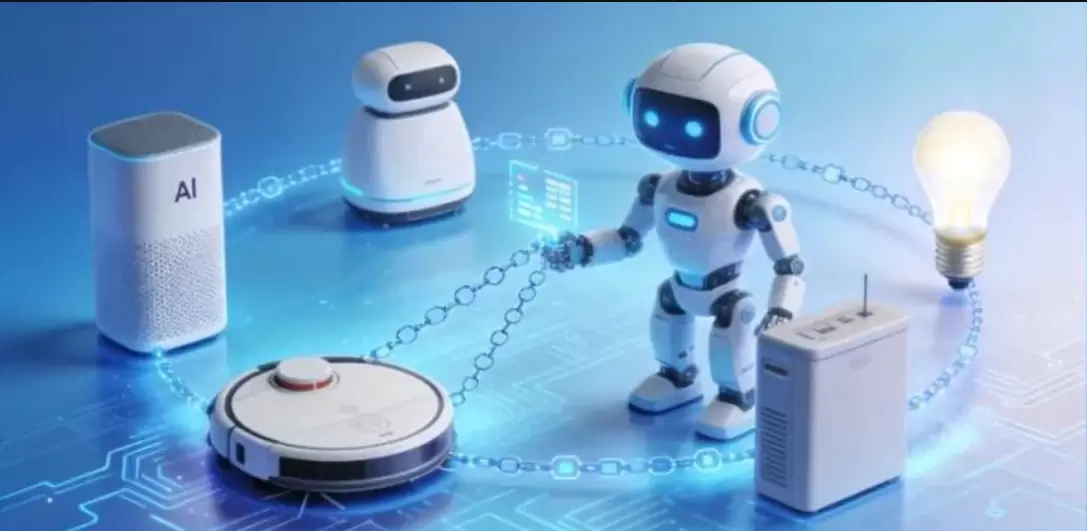
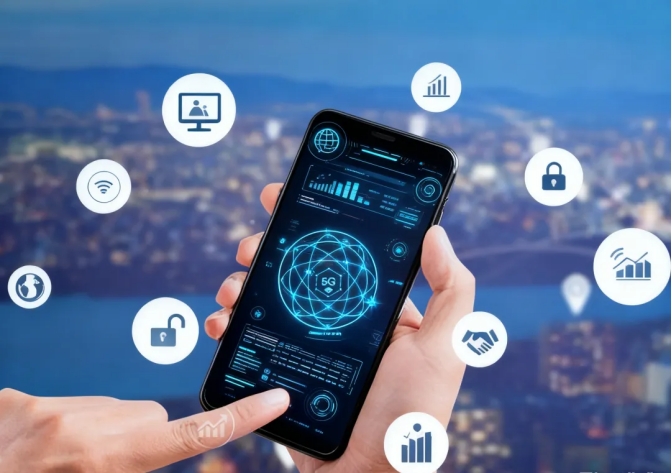
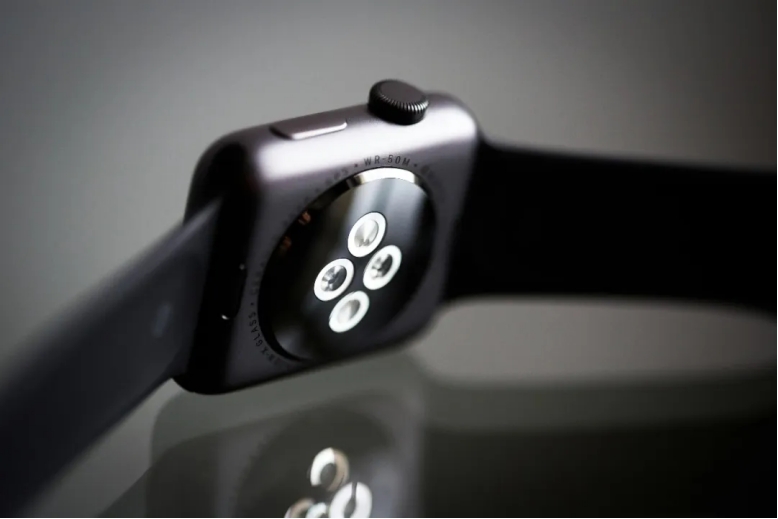
As demands for real-time response and low latency surge in scenarios such as embodied intelligence and AR/VR, the traditional decoupled architecture of "sensor + cloud computing" is gradually fading in importance, and the "integration of storage, computing, sensing and connectivity" has emerged as the core direction for technological breakthroughs. Leveraging neuromorphic hardware like memristor arrays, this architecture deeply integrates memory, processors and sensors, enabling the extraction of spatiotemporal features and preliminary classification of pulse signals directly within the sensor—thus drastically cutting the energy consumption and latency caused by data transfer. For instance, in wearable devices, integrated chips can independently perform motion posture analysis and health data interpretation without relying on terminal computing power, extending device battery life by over 30% and reducing response speed to the microsecond level. Meanwhile, the adoption of on-chip optical interconnection technology provides ultra-high bandwidth and low-latency communication support for high-density integrated intelligent units, transforming sensors from mere "functional components" into "intelligent core modules".
02
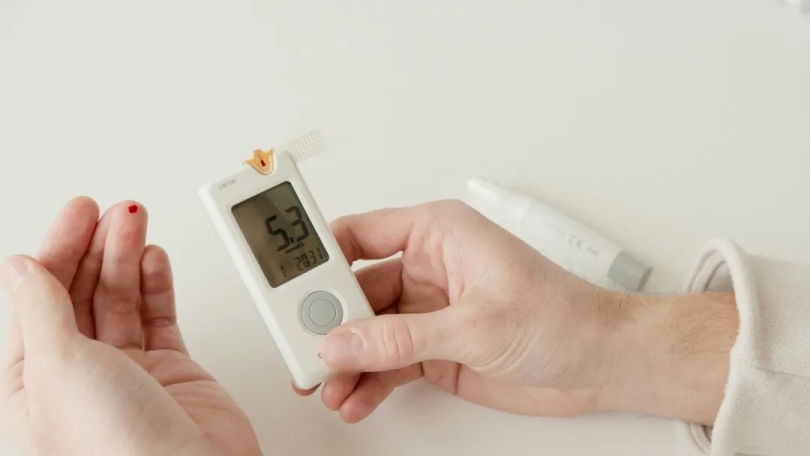
The demand for portability and lightweight design in consumer electronic devices continues to drive sensors to push the physical limits. Currently, millimeter-scale volume and milliwatt-level power consumption have become basic standards; the next generation of technologies will evolve toward micron-scale and nanowatt-level specifications, while measurement accuracy needs to be improved to within ±0.1% to meet the requirements of scenarios such as flexible wearables and implantable health monitoring. MEMS technology remains the core enabler, and its future advancement will rely on process optimizations including heterogeneous integrated packaging, double-sided lithography and sacrificial layer technology to achieve single-chip integration of multi-sensing functions. For example, inertial, acoustic and pressure sensors can be fused into a single chip, reducing the volume by more than 50% compared with current products. In addition, low-power technologies will expand from hardware optimization to software algorithm upgrading. The popularization of TinyML (Tiny Machine Learning) technology allows sensors to process only critical and valid data, further cutting energy consumption.
03
The limitations of single sensors have become increasingly prominent, making multimodal fusion the key to enhancing perceptual capabilities. Future consumer electronics sensors will form a collaborative system of "vision + audio + touch + biosensing", enabling more comprehensive recognition of the environment and user status through data complementarity. For example, in intelligent cockpits, image sensors capture user expressions, position sensors track limb movements, and biosensors monitor physiological conditions, which work in synergy to judge the user's fatigue level and trigger early warnings. More importantly, sensors will shift from "passive data collection" to "active cognition". Equipped with self-calibration and self-learning algorithms, they can adapt to environmental changes in different usage scenarios—such as automatically adjusting image sensor parameters under complex lighting conditions and optimizing the accuracy of biosensing data during motion—thus possessing adaptive capabilities analogous to human sensory systems.
Market Development Trends: China Leads Growth, Market Concentration Shifts to Head Enterprises
01
The global sensor market scale has exceeded 200 billion US dollars, with China's market accounting for nearly 30% and its growth rate consistently outpacing the global average, making it the core growth pole of the global industry. Among all application sectors, consumer electronics has ranked first for three consecutive years, with a market scale of 107.62 billion yuan in 2024. The compound annual growth rate (CAGR) is expected to remain at 19.7% from 2022 to 2027, and the market scale will reach 184.81 billion yuan in 2027, continuing to lead the segmented tracks. Driven by emerging scenarios such as embodied intelligence and AR/VR, the demand for segmented categories including MEMS inertial sensors, six-axis force sensors and flexible sensors has witnessed an explosion, with a CAGR of over 20%, emerging as new growth engines. In the long run, the global sensor market scale will surpass 550 billion US dollars in 2034, China's share is expected to remain at around one-third, and consumer electronics will still be the largest application field.
02
The mid-to-high-end market is still dominated by international leaders such as Bosch and STMicroelectronics, supported by their technological accumulation and full industrial chain layout (for example, Bosch delivered over 1 billion MEMS sensors in 2024). However, the trend of domestic substitution is prominent, and domestic enterprises have achieved breakthroughs in segmented fields such as pressure sensors and image sensors. In 2024, the scale of China's pressure sensor market reached 73.67 billion yuan, a year-on-year increase of 8.5%, with consumer electronics applications serving as the core driving force. Future competition will focus on "technology + cost + scenarios". Domestic enterprises are rapidly replacing international players in the mid-to-low-end market and gradually breaking into the high-end market by strengthening collaboration with downstream terminal manufacturers (such as joint R&D with mobile phone and wearable device manufacturers). At the same time, the industry concentration will rise, and a number of backbone enterprises with full industrial chain capabilities will be formed through mergers, acquisitions and equity participation, changing the current fragmented pattern of small and scattered enterprises.

03
Although the capital market enthusiasm for the sensor industry has waned year by year (with 60 investment and financing events involving 4.433 billion yuan in January-September 2024), investment directions have become more targeted, shifting from the previous "broad coverage" to "technological breakthroughs and scenario commercialization". Capital is focusing on cutting-edge technologies such as compute-in-memory chips, multimodal fusion and flexible electronics, as well as the commercial application of scenarios including humanoid robots, smart wearables and smart homes. In addition, long-term special policy support will serve as an important underpinning. Given the characteristic of the sensor industry’s long R&D cycle (5-8 years), it is expected that long-term special plans will be formulated to address enterprises’ concerns over "policy interruptions" and guide them to increase investment in core technologies.
The application boundaries of consumer electronic sensors continue to expand, extending from traditional mobile phones and home appliances to emerging smart devices, forming an all-scenario sensing network covering daily life, health and entertainment.
01
02
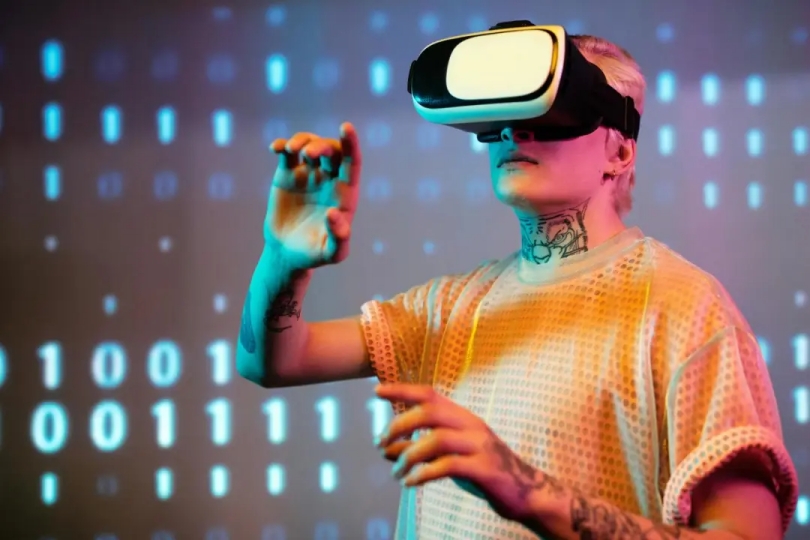
AR/VR Devices: As the next-generation core terminals of consumer electronics, AR/VR has seen an explosive growth in demand for sensors. Such devices rely on multimodal sensors to achieve spatial positioning, gesture recognition, environmental perception and eye tracking. For example, position sensors ensure the accuracy of spatial positioning, image sensors capture gesture movements, and biosensors monitor users' visual fatigue status. With the development of lighter and more portable AR/VR devices, the requirements for miniaturization and low power consumption of sensors have been further raised, driving the rapid iteration of technologies such as MEMS sensors and flexible sensors. It is expected that the compound annual growth rate of sensor demand in the AR/VR field will exceed 35% from 2025 to 2030.
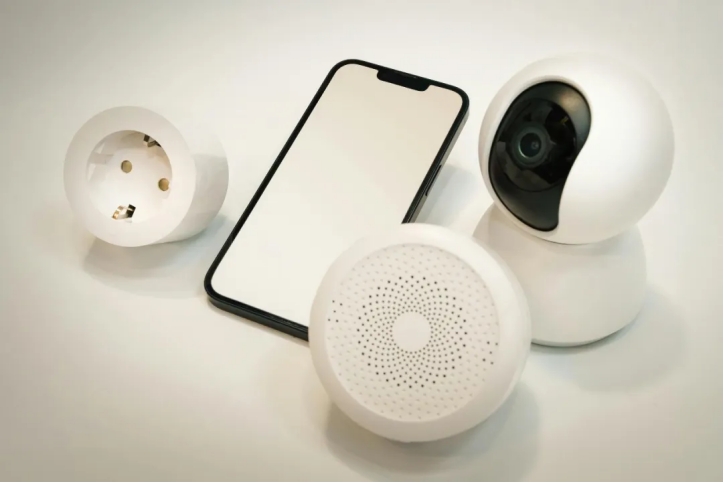
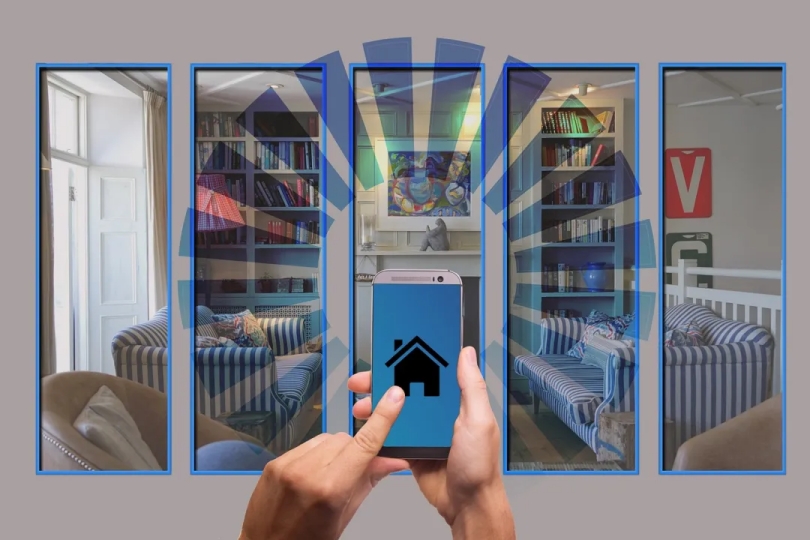
Smart Cockpit and Smart Home Interconnection: Consumer electronic sensor technology is penetrating into smart cockpits. The collaboration of image, biological and pressure sensors enables functions such as driver fatigue warning, intelligent temperature control and voice interaction, while realizing interconnection with smart homes — users can trigger the pre-opening of air conditioners and lights at home through on-board sensors. In addition, the application of sensors in scenarios such as smart kitchen appliances and smart security continues to deepen. For example, smart ovens precisely control the cooking process through temperature and humidity sensors, and smart door locks improve recognition security through multi-biosensors, forming a full-scenario sensing closed loop of in-car - home - outdoor.
03
The development of the sensor industry is no longer limited to its own technological breakthroughs, but forms in-depth collaboration with downstream terminals, upstream materials and algorithm manufacturers. On the one hand, the model of "whole machines drive chips, and chips boost whole machines" is further deepened: sensor manufacturers and consumer electronics terminal enterprises set up joint laboratories to jointly tackle core technologies and accelerate product iteration. On the other hand, the pace of industry standardization is accelerating: the performance index specifications of sensors for different application scenarios will be gradually improved, solving the problems of insufficient product standardization and restricted large-scale application. At the same time, the improvement of the insurance compensation mechanism for the first set of major technical equipment will reduce the risk for terminal enterprises to trial domestic sensors and promote technological commercialization and market verification.
The consumer electronic sensor industry is ushering in dual opportunities of technological integration and scenario expansion, with three major trends emerging in the next three years:First, flexible electronic technology drives morphological innovation. Stretchable torque sensors are expected to realize skin-adhesive design, enabling wearable devices to collect data through skin contact without being worn;Second, multi-sensor fusion has become an inevitable trend. The collaborative work of image, motion and biological sensors provides support for fields such as AR/VR, AI pet and smart cars. Precedence Research predicts that the global sensor market scale will exceed 550 billion US dollars in 2034, with China's share expected to remain at around one-third;Third, green and low-carbon development runs through the entire life cycle. Low-power consumption technologies are continuously upgraded, and the average power consumption of consumer electronic sensors will be reduced by 50% in the next five years, helping to improve product battery life.

The technological innovation and scenario expansion of consumer electronic sensors cannot be separated from the in-depth linkage and practical verification of the upstream and downstream of the industrial chain. To build a core platform for technical exchange, product display and business cooperation, the Asia Smart Sensor and Application Technology Expo will be grandly held at the Shenzhen Convention and Exhibition Center (Futian) from June 24 to 26, 2026.
A special exhibition zone for consumer electronic sensors is set up at the expo, focusing on core directions such as compute-in-memory chips, multimodal fusion, flexible sensing and low-power consumption technology. It will concentrate on displaying cutting-edge products and solutions for scenarios such as wearable devices, AR/VR and smart interaction. An AI Smart Pet Paradise is specially built in the zone, empowering smart pet devices through sensor technology to realize multiple functions such as emotional interaction and health monitoring — providing emotional support for urban dwellers living alone and adding safety and spiritual companionship to elderly care scenarios. Visit the exhibition zone and explore more possibilities for future life!