


June 24-26, 2026
Shenzhen Convention and Exhibition Center (Futian)


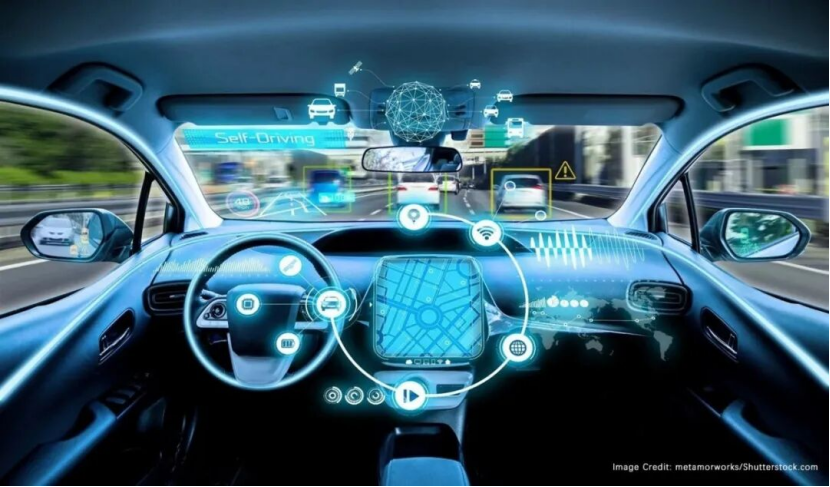
As the number of sensors per intelligent electric vehicle surges from 50–80 units in traditional fuel vehicles to over 200 units, these "intelligent tentacles" have become the core perceptual foundation for autonomous driving. In complex driving environments, a single sensor cannot achieve reliable all-scenario perception. The all-weather adaptability of 4D millimeter-wave radar, the high-precision ranging of solid-state LiDAR, and the semantic understanding capability of AI vision sensors naturally complement one another, jointly forming the "perception triangle" of intelligent driving and propelling autonomous driving from Level 2+ to Level 3.
4D Millimeter-Wave Radar: The All-Weather Scout for Intelligent Driving
Breaking Technical Barriers and Reshaping Perception Accuracy
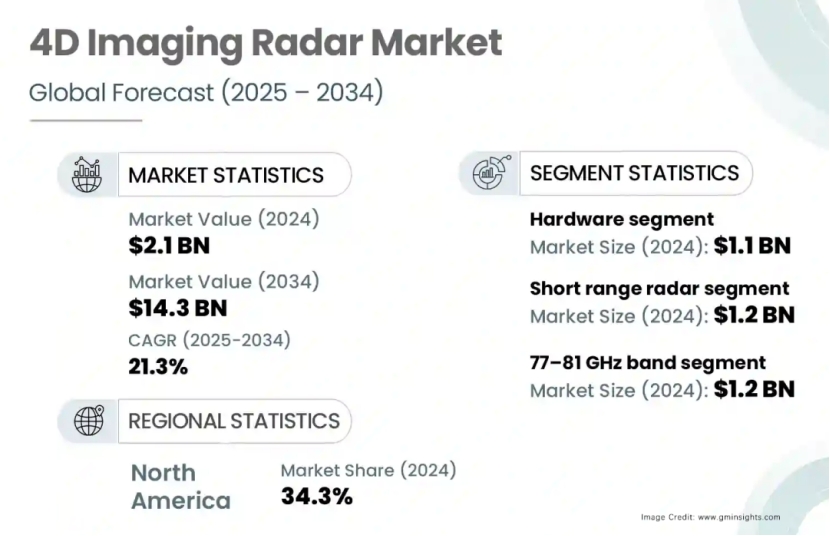
4D millimeter-wave radar adds a height dimension to the traditional three dimensions of “range, speed, and horizontal angle”, making it an “all-weather sentinel” for L2+ autonomous driving. Bandwidth upgrades have driven a leap in resolution, with the 77GHz band now the global mainstream, expected to account for 51% of the market by 2025. The joint solution from Bosch and Delphi in Europe achieves an angular resolution of 0.1°. Huawei’s 77GHz solution in China delivers equivalent precision via multi-channel design, with its 4D millimeter-wave radar reaching a maximum detection range of 280 meters and enabling accurate velocity measurement through the Doppler effect. Baidu Apollo’s 4D imaging radar achieves an average recognition accuracy of approximately 90% in rain and fog, representing a significant improvement over conventional solutions.
Adapting to Diverse Scenarios, Demonstrating Strengths in Global Vehicle Deployment
Driven by the EU General Safety Regulation, all new vehicles in Europe will be equipped with ADAS as standard after 2026. 4D millimeter-wave radar has been widely adopted across BMW’s core models. Its forward-facing 4D millimeter-wave radar (e.g., featuring Continental’s ARS540 solution) is integrated into the BMW 5 Series, BMW i5, BMW iX1 and other models. Within the Volkswagen Group, this technology is gradually penetrating its mid-to-high-end models, becoming a key configuration for ADAS upgrades, with an expanding range of applications.
In China, demand for automatic parking is strong, with a penetration rate exceeding 65%. Xpeng, Li Auto and other automakers leverage its ability to penetrate garage light interference to solve the misjudgment issues of traditional ultrasonic radar. In the new energy passenger vehicle market, the penetration rate of ACC systems integrating multiple sensors has reached 56.4%, highlighting the collaborative value of millimeter-wave radar and vision sensors.
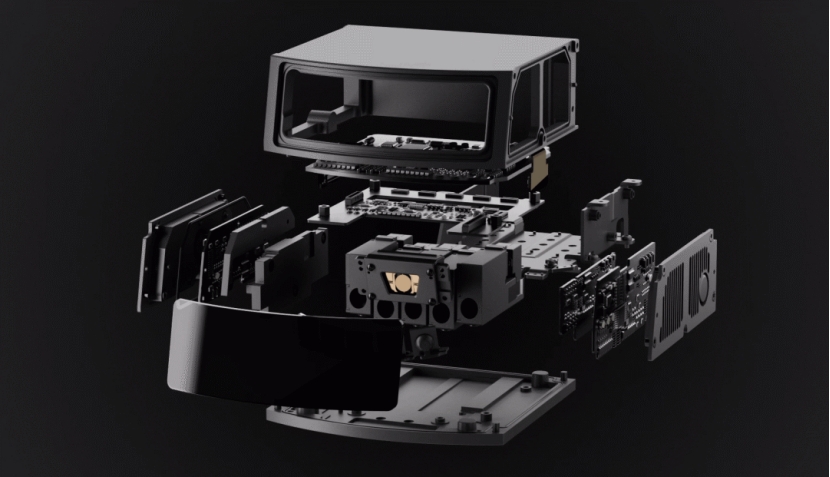
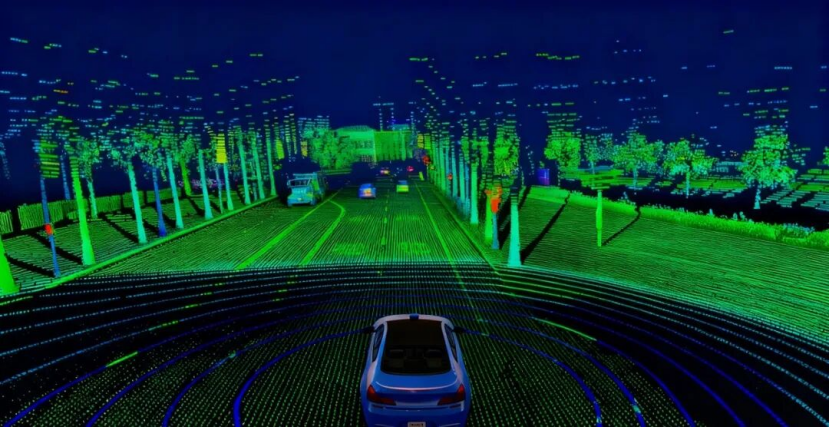
As autonomous driving demands higher perception accuracy, LiDAR is shifting from mechanical rotation to solid-state design. By removing complex moving parts and adopting chip-based architecture, solid-state LiDAR features a smaller size and lower cost, finally enabling large-scale vehicle integration. Global shipments are projected to exceed 4 million units in 2025.
Innovation in core hardware is unfolding along multiple technical routes:
· In Europe and the US, Luminar’s 1550 nm wavelength solution delivers a detection range of 300 meters, with partnerships including Volvo and Mercedes-Benz. Innoviz’s MEMS-based solid-state LiDAR has secured orders from BMW and Volkswagen.
· In China, Hesai Technology’s AT128 semi-solid-state LiDAR accounts for 33% of the global automotive pre-installation market. Huawei’s 192-channel LiDAR reaches a maximum detection range of 250 meters, supplying BYD and AITO. RoboSense shipped over 300,000 units in 2023.
· Japan and South Korea’s Sony and Denso have jointly developed LiDAR, scheduled for adoption in Toyota’s high-end models in 2026, focusing on miniaturization and low power consumption.
Source: RoboSense
Notably, the pure solid-state Flash solution has become a key development direction in the industry. China’s market share in this segment reached 37.7% in 2024 and is expected to rise further to 47.6% by 2030. Meanwhile, the Flash solution from U.S.-based Ouster focuses on penetration into the Robotaxi sector, forming a differentiated competitive landscape.
Beyond technological advancement, cost reduction has also emerged as a critical driver for the adoption of solid-state LiDAR. Chinese companies have achieved cost cuts through chip integration and scale effects: Hesai reduced costs by 60%, while RoboSense achieved a 91% cost reduction. Some products from both firms will be priced below $200 in 2025.
Europe, on the other hand, lowers costs via wafer-level manufacturing. For instance, Infineon’s thin silicon wafers have reduced losses by more than 15%.
In the development of intelligent connected vehicles, differentiated deployment strategies are driving rapid growth in the sensor market.
On the policy front, the EU has made LiDAR a mandatory configuration for Level 3 autonomous vehicles, while China’s Intelligent Connected Vehicle Technology Roadmap 2.0 requires a Level 3 penetration rate of 20% by 2025. Together, these policies are driving an annual sensor demand of over 850 million units.
In the high-end passenger vehicle segment, Europe and the US adopt a fusion solution of “LiDAR + vision + millimeter wave radar”. For example, the Mercedes Benz S Class is equipped with Luminar LiDAR and Mobileye chips, achieving a lane detection rate of 99.7%. China pursues cost efficiency through “local LiDAR + local algorithms”: the Li Auto L9, paired with Hesai LiDAR and Horizon Robotics chips, offers outstanding cost performance advantages.
In the Robotaxi sector, Velodyne dominates the North American market with a 30% share and is recognized by Waymo. In the Chinese market, Hesai follows closely with a 28% share, and 80% of Baidu Apollo Go’s fleet is equipped with RoboSense LiDAR.
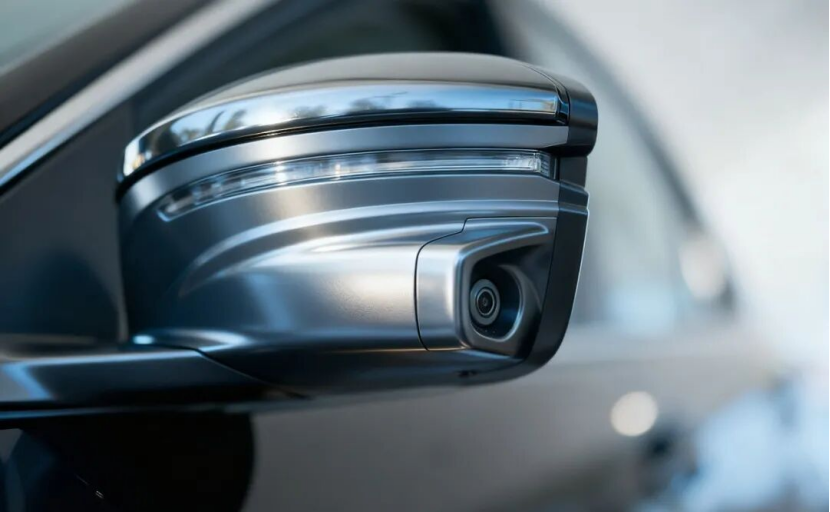
Automotive cameras account for 23% of the environmental perception sensor market, with competition centered on two core dimensions: algorithms and computing power.
In terms of hardware computing power, rapid advances in the chip industry have driven continuous leaps in performance, with breakthroughs from both Chinese and overseas enterprises:Among European and American players, Mobileye’s EyeQ6 chip delivers 48 TOPS of computing power, supporting real-time data processing for 12-megapixel cameras, and has been adapted for models from BMW, Ford and other brands.Chinese firms have also delivered impressive results: Horizon Robotics’ Journey 6 chip exceeds 500 TOPS, deployed in BYD, Great Wall Motors and other models, and supports up to 16 camera inputs.
In the algorithm domain, semantic understanding exhibits clear scenario based divergence between domestic and international markets:European and American markets focus on high speed scenarios; for example, Tesla’s vision system can predict the lane changing intention of preceding vehicles in advance.Chinese companies excel in urban road scenarios: Xpeng’s XNGP system identifies the tendency of pedestrians to cross the road with an accuracy rate exceeding 90%.
To further enhance perception in complex environments, the industry generally pursues progress in both multi camera fusion and algorithm optimization:Mobileye’s forward looking binocular solution offers a field of view exceeding 120°, with lane keeping accuracy controlled within ±3 cm.Sunny Optical’s surround view system in China uses four cameras to realize 4K panoramic stitching. Combined with Baidu Apollo’s semantic segmentation algorithm, the misrecognition rate for three wheelers and delivery scooters has dropped by 90% compared with three years ago.
International giants maintain a first mover advantage:Mobileye holds 35% of the global automotive grade vision chip market; Bosch’s vision sensors are adopted by Volkswagen and Toyota.Japan’s Denso leads in the DMS (Driver Monitoring System) sector, with infrared solutions capable of monitoring driver fatigue under low light conditions.
China is also rapidly emerging as a strong competitor:Sunny Optical’s global market share for automotive cameras exceeds 18%, making it a tier 2 supplier to Tesla and BMW.Desay SV’s vision modules are equipped in Xpeng and Li Auto vehicles, capturing a 25% domestic market share in DMS.
Meanwhile, emerging markets represent major growth opportunities. India and Southeast Asia have become key destinations for capacity relocation. Chinese manufacturers have collaborated to lower the unit price of economic vision sensors to below $50, driving the popularization of ADAS in entry level vehicles.
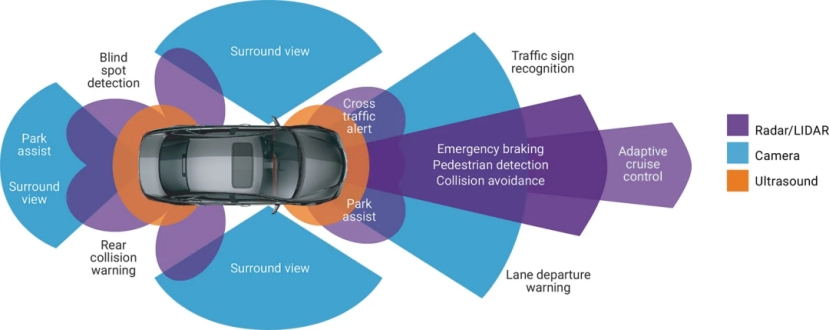
Individual sensors have inherent limitations: millimeter wave radar offers weak semantic recognition, LiDAR is costly, and vision sensors are highly vulnerable to lighting conditions.Through algorithmic spatiotemporal calibration, multi sensor fusion achieves the effect of “1+1+1 > 3”. Vehicles adopting this solution are projected to reach an AEB collision avoidance rate of 92% in 2025.
The group standard Requirements for Autonomous Driving Perception Fusion Datasets, jointly issued by China Automotive Innovation Center (CAICV) and more than 10 institutions, has supported automakers in building one million sets of high value intelligent driving data, promoting data circulation and reducing costs by more than 20 million yuan.
European and American enterprises focus on hardware integration. Bosch has invested 1.2 billion euros to build a 12 inch wafer fab in Dresden, planning to mass produce automotive grade fusion sensors in 2025.China emphasizes system integration. Huawei’s MDC platform integrates self developed radar, cameras, and Desay SV domain controllers to form a comprehensive, all in one solution.
ISO/SAE establishes global performance benchmarks, while the China led CV2X protocol promotes the integration of sensor data streams with vehicle to everything (V2X) coordination. Global competition and convergence around technical standards continue to evolve.
From a global market size of $18 billion in 2025 to a projected $32 billion by 2030, the iteration of sensor technology is accelerating the commercialization of intelligent driving. Industry research indicates that safety, environmental adaptability, and compliance of sensors will become the core competitive focus in the intelligent driving sector.
With precision manufacturing in Europe, algorithm innovation in the United States, scenario-based deployment in China, and cost control in Japan and South Korea, global players are jointly building a safety defense line through the collaborative evolution of the three major sensor categories.
This exciting collision of global technological competition will be fully showcased at the 2026 Asian Smart Sensor and Application Technology Expo!
Whether you are a technical expert, corporate decision-maker, or industry practitioner, you can engage in in-depth exchanges with global peers, experience the latest technological achievements up close, and explore cooperation opportunities.